


Renewable energy crowdfunding: how it works and where it fails
Renewable energy crowdfunding lets you lend to solar, wind and other clean energy projects. Of the 16 energy platforms we check (19 Nov 2026), none is rated Reliable and one is rated With caveats.
- Platforms
- 16
- Collateral type
- Often none; sometimes a pledge on the project company's shares, equipment or revenue contracts.
- Secondary market, early exit
- Low: loans and bonds often run 3 to 10 years, usually with no secondary market.
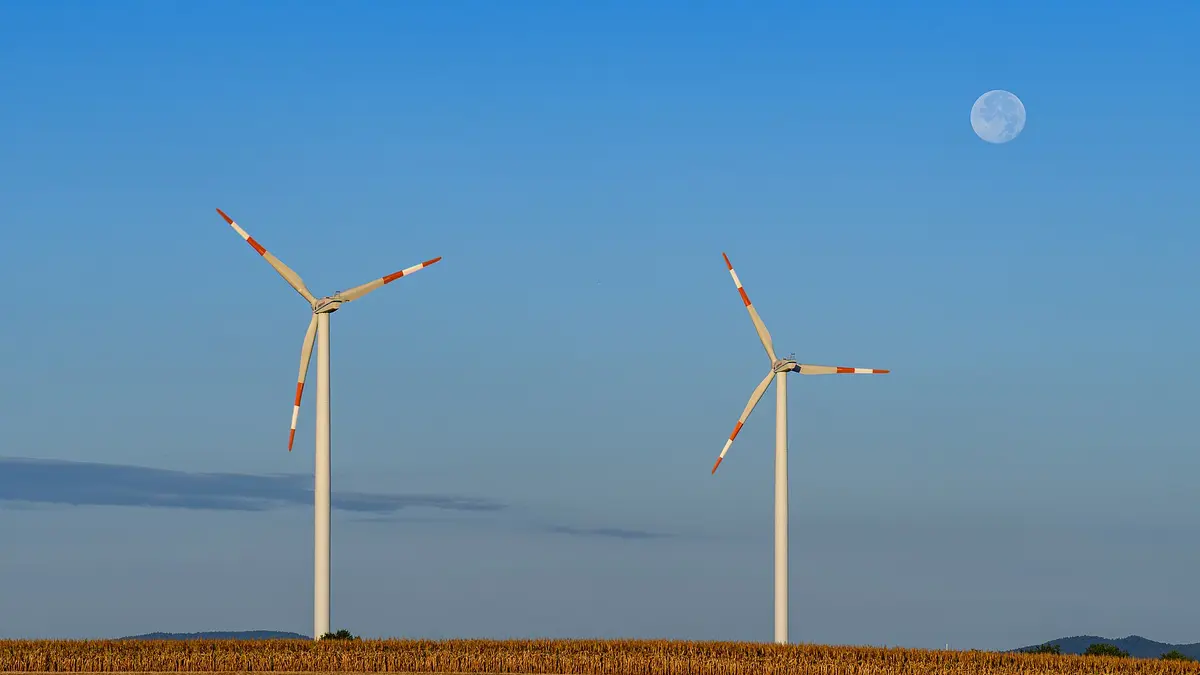
Platforms: Renewable energy
| Platform | Licence | Min. | Advertised rate | Verdict | Score |
|---|---|---|---|---|---|
 | ECSP | €500 | 6.6 % | With caveats | 65 |
 | ECSP | €10 | 7.5 % | High risk | 57 |
 | ECSP | €50 | 6.2 % | High risk | 57 |
 | ECSP | €50 | 6.4 % | High risk | 57 |
 | ECSP | €20 | 6.6 % | High risk | 49 |
 | ECSP | €500 | 7.1 % | High risk | 44 |
 | ECSP | €300 | 8.1 % | High risk | 42 |
 | ECSP | €500 | — | High risk | 40 |
 | ECSP | €100 | 5.6 % | High risk | 40 |
 | ECSP | €20 | — | Avoid | 39 |
 | National licence | €250 | — | Avoid | 39 |
 | ECSP | €1,000 | 12.4 % | Avoid | 32 |
 | National licence | €250 | — | Not rated | 21 |
 | National licence | €1 | 4 % | Not rated | — |
 | No licence | — | — | Not rated | — |
 | No licence | €50 | 19.7 % | Not rated | — |
No platform matches these filters. Loosen one of them.
On this page
What energy crowdfunding finances
Renewable energy crowdfunding means lending money, through an online platform, to solar, wind, biogas or storage projects, or to energy companies that build them. Most offers are loans or bonds with fixed interest; some are equity or profit-sharing instruments.
Some platforms focus on local projects where residents get priority; others fund projects across Europe and abroad. Solar crowdfunding is the most common form, because a rooftop or ground-mounted solar park is small enough for a crowd to finance. For the general concept, see what is crowdfunding.
How a renewable project loan works
A typical loan goes through these steps:
- Developer and SPV. A developer applies to the platform. The borrower is often a special-purpose company (SPV) set up for one solar park or wind farm, so the loan depends on that single project.
- Loan terms. Investors fund the loan on the platform. The terms show the rate, the term and the repayment schedule.
- Amortising or bullet. Some loans repay principal in instalments with each interest payment; others pay interest yearly or half-yearly and return the principal at the end.
- Security, if any. It can be a pledge of the SPV's shares, an assignment of receivables (the money the project earns from selling power), a pledge of equipment, or step-in rights that let the lender or an agent take over the project. Many energy crowdlending loans have none of these.
Read the loan terms to see which of these exist and who holds them for you. A security that exists only on paper, or sits behind a bank's security, is worth much less than it sounds. See collateral and LTV.
Construction vs operating phase
The two phases carry very different risk.
- Construction. The project earns nothing yet. Money is spent on panels, turbines, cables and the grid connection, and any delay or cost overrun comes out of the same budget. Loans for projects still being built, or only in development, are the riskiest.
- Operating. The plant is connected and sells power. Revenue is more predictable, and risk falls to weather, technical faults and the buyer's ability to pay.
Revenue usually comes from one of three sources: a power purchase agreement (PPA) with a buyer at an agreed price, a feed-in tariff or other support scheme set by the state, or sales at market prices. A long contract at a fixed price is the most stable. Market-price revenue moves with the power market and can fall when prices drop or when many plants produce at the same time.
So the first question about any energy loan is whether the plant already runs, and under which kind of revenue.
Where energy projects go wrong
- Construction delays and cost overruns. A late project pays late or not at all.
- Grid connection. A plant that is built but not connected earns nothing, and waiting times for connection can be long.
- Power price drops. Without a fixed-price contract, revenue falls with the market.
- Subsidy or tariff changes. Support schemes can be cut or reshaped, and projects that counted on them suffer.
- Operator insolvency. The developer or operating company can fail. The loan then depends on what can be recovered from the project itself.
- Subordination. Many energy crowdlending loans are unsecured or subordinated, which means banks and other creditors are paid first.
- Platform failure. If the platform closes, someone still has to collect repayments for you. Ventus Energy went into insolvency, and ecoligo no longer takes new investors; both appear in our data.
The best-known danger is not a spectacular fraud but a slow squeeze: delays, extensions and a subordinated loan that ends up last in the queue.
When a renewable project defaults
A default usually runs in stages.
- Delay. Interest is paid late or a repayment is missed.
- Extension or restructuring. The platform and the borrower agree a new schedule, often with a higher rate, or part of the debt is converted.
- Enforcement. If there is security, it is enforced: the SPV shares or the plant are sold, or a new operator steps in. Without security, you are an ordinary creditor of the company.
A subordinated or unsecured investor is paid last, after banks and other creditors with security. Recovery can take years and can be partial or zero. If the platform itself has shut, someone must still run the recovery. Read loan defaults and platform bankruptcy before investing.
Platforms we check
We check 16 platforms that offer renewable energy projects (data from 19 Nov 2026). The split of verdicts:
- Reliable: 0
- With caveats: 1
- High risk: 8
- Avoid: 3
- Not rated: 4
The average score, over the 13 platforms that have one, is 44.8. Five offer collateral; none offers buyback.
The best scores are 65 for Exporo, rated With caveats, and 57 each for Enerfip, Lendopolis and Lendosphere, all rated High risk. Others include GoParity (49), Fundeen (44) and Ener2Crowd (42), also High risk. The method behind the scores is in our methodology.
Advertised vs net returns
The average advertised rate across the 11 energy platforms that publish one is 8.2%, the lowest of the loan types except crypto. That is a promise before losses, not an outcome.
What you keep is lower for these reasons:
- Late projects. Construction and grid delays push interest back.
- Defaults and partial recoveries. A subordinated loan that fails can lose most of the capital.
- Fees and cash drag. Money waiting for the next project earns nothing.
- Tax. Interest is generally taxed as investment income.
A lower rate does not mean lower risk: a loan to a project still under construction may pay 8% and carry far more risk than the rate suggests. Use the P2P return calculator and read P2P returns to compare promised and realistic returns.
EU rules: the ECSP Regulation
Platforms that offer loans or transferable securities in the EU fall under Regulation (EU) 2020/1503, the European Crowdfunding Service Providers (ECSP) Regulation. It does not remove the risk, but it sets a floor:
- Authorised providers. Platforms are listed in the ESMA register, and a licence from one member state is valid across the EU.
- Knowledge test. A new investor must pass a test of knowledge and a simulation of the ability to bear loss.
- Risk warning. A non-sophisticated investor gets a warning when an investment exceeds the higher of €1,000 or 5% of net worth, and must acknowledge it.
- Reflection period. You have 4 days after an offer to cancel without giving a reason.
- Key Investment Information Sheet. Each offer needs a standard sheet with the project, the risks, the fees and the platform's default rate.
A licence does not mean the project will repay. It means the platform is supervised. See our licences guide.
How to check an energy platform
- Is the platform in the ESMA register or another official register?
- Is the project already built and producing, or still in development?
- Is there a long-term PPA or a fixed tariff, and who is the buyer?
- Where does your loan rank compared with bank debt, and is it subordinated?
- Is there any security, and who enforces it?
- Does the platform publish defaults, delays and recoveries, not just projects funded?
- Is the term one you can live with if you cannot sell?
- How much of your money is in one project? Use the diversification guide.
The same questions drive our score; try the platform checklist.
How the interest is taxed
Interest from these loans is usually taxed as investment income in your country of residence; see our P2P tax guides for Germany, Spain, France, Italy and Portugal.
Questions
Is renewable energy crowdfunding a safe investment?
It is not risk-free. Operating projects with fixed revenue contracts are less risky than projects still being built, but loans are often unsecured or subordinated and rank behind banks. None of the 16 platforms we check is rated Reliable. See is P2P lending safe.
Is solar crowdfunding better than wind?
The structure is the same: a loan repaid from power sales. Solar projects are usually smaller and quicker to build; wind projects are larger and can take longer to permit and connect. What matters more is the revenue contract, the stage of the project and where your loan ranks.
Why are energy rates lower than property or consumer loans?
Projects with contracted revenue are seen as more predictable, and some investors accept a lower rate for the environmental benefit. The advertised average of 8.2% is a promise, not a guarantee, and a lower rate does not mean no risk.
What happens if a solar or wind project defaults?
The loan is usually extended or restructured first. If that fails, any security is enforced, such as a pledge of the SPV shares. Unsecured or subordinated investors are paid last and can lose most of the money. See loan defaults.
Can I sell my energy loan early?
Usually not. Loans and bonds often run 3 to 10 years and most platforms have no secondary market, so plan to hold to maturity.
Do ECSP rules protect me on energy platforms?
They give you a licensed platform, a knowledge test, a risk warning, a 4-day reflection period and a Key Investment Information Sheet. They do not guarantee repayment. See the licences guide.